Turning Reels inspiration into creation
How I used behavioral data and category-based content to help more people discover templates and create Reels—delivering more than three times the expected impact.
Instagram wanted to make short-form video creation feel achievable for people who did not consider themselves expert creators.
I led content design across Reels template discovery and creation, including category-based mid-cards, social-proof messaging, auto-created Reels, template entry points, and instructional UI. A mid-card system I helped originate and write increased U.S. producer daily active users by 0.415%—more than three times the expected impact and over 24% of the team’s creator-growth goal.
Role
Senior Content Designer, Instagram Reels & Camera
My ownership
Content strategy and UX writing across Reels template discovery and creation, including category-based mid-card concepts, social-proof messaging, auto-created Reels, template entry points, and instructional UI
Partners
Product Design, Product Management, Data Science, Engineering, Research, and cross-functional Reels teams
Channels and scope
Instagram Reels feed, creation flows, template browser, camera, Explore, Stories, and in-product education
Impact at a glance
The creative challenge
Give everyday users both the inspiration and the confidence to turn content they already had into a Reel worth sharing.
Instagram Reels offered powerful creative tools, but many people still found short-form video creation intimidating. They did not always know what to post, and they often assumed that creating a polished Reel would require significant effort or advanced editing skills.
Templates could address both problems by providing a ready-made structure and reducing the amount of editing required. But templates were difficult to discover, and users still needed relevant inspiration to understand how a template could apply to their own photos and videos.
The challenge was to make templates easier to find, easier to understand, and more personally motivating—without adding complexity to an already feature-rich product.
The strategy
Help people recognize what they could make—then make it clear how to begin.
The content needed to move users from:
“I don’t know what to make.”
to:
“I already have something I can use—and I know how to get started.”
I shaped the work around a connected progression: use behavioral data to identify relevant interests, turn those interests into specific creative invitations, make recommendations personally recognizable, simplify unfamiliar creation tools, and bring templates into the places where inspiration already happened.
The goal was not simply to shorten instructions. It was to reduce both sides of creation friction: uncertainty about what to make and uncertainty about how to make it.
Key content decisions
I designed the content across discovery and creation to move people from passive inspiration to a clear, achievable next step.
3×+
Expected impact
+0.415%
U.S. producer daily active users
24%+
Of the team’s creator-growth goal
A data-informed content system turned a generic template promotion into a significant creator-growth driver.
Product outcomes reflect the work of the broader Reels team. The content strategy, concepts, UX writing, and recommendations discussed here reflect my contribution.
Identify interests that already motivated users
Rather than write one generic template promotion, I partnered with Data Science to understand which subjects generated strong engagement across Reels consumption and production.
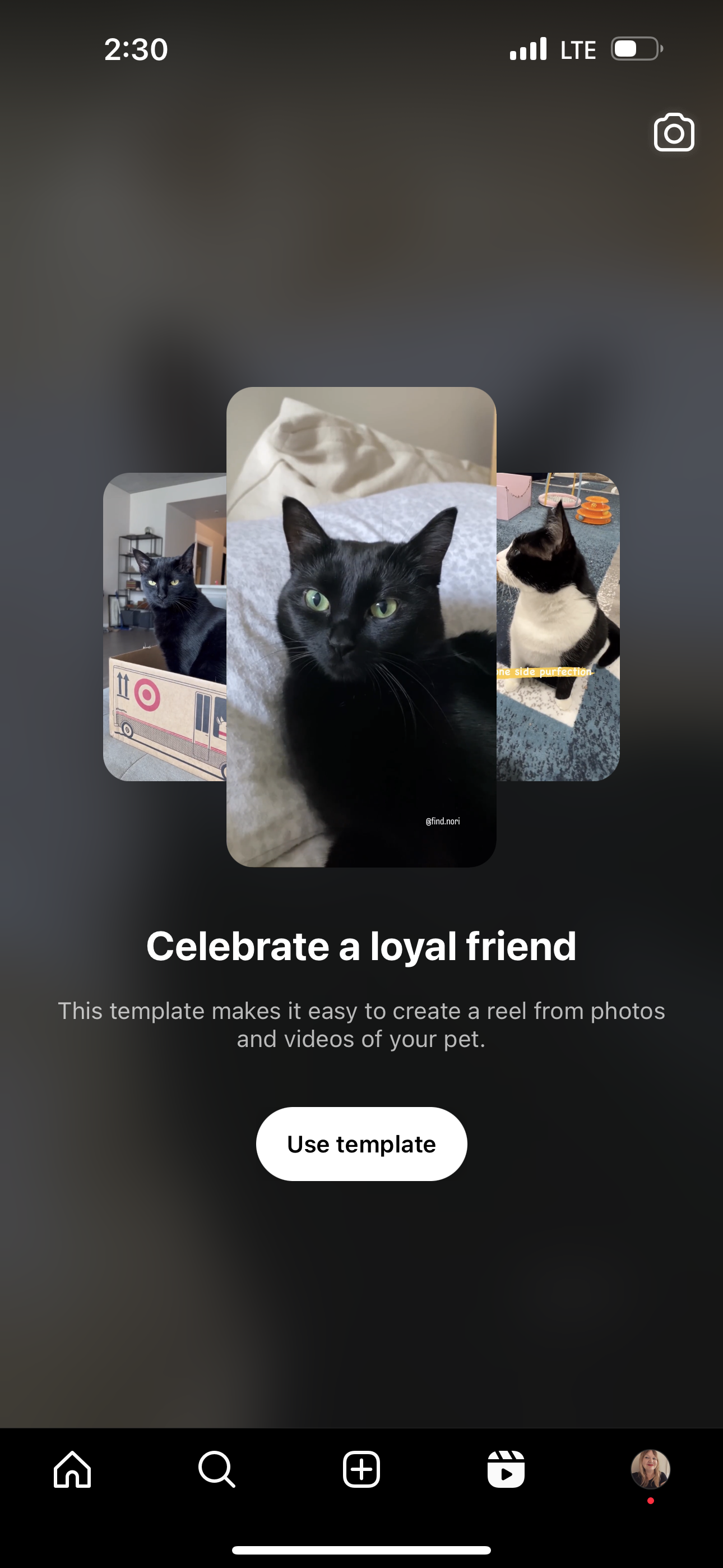
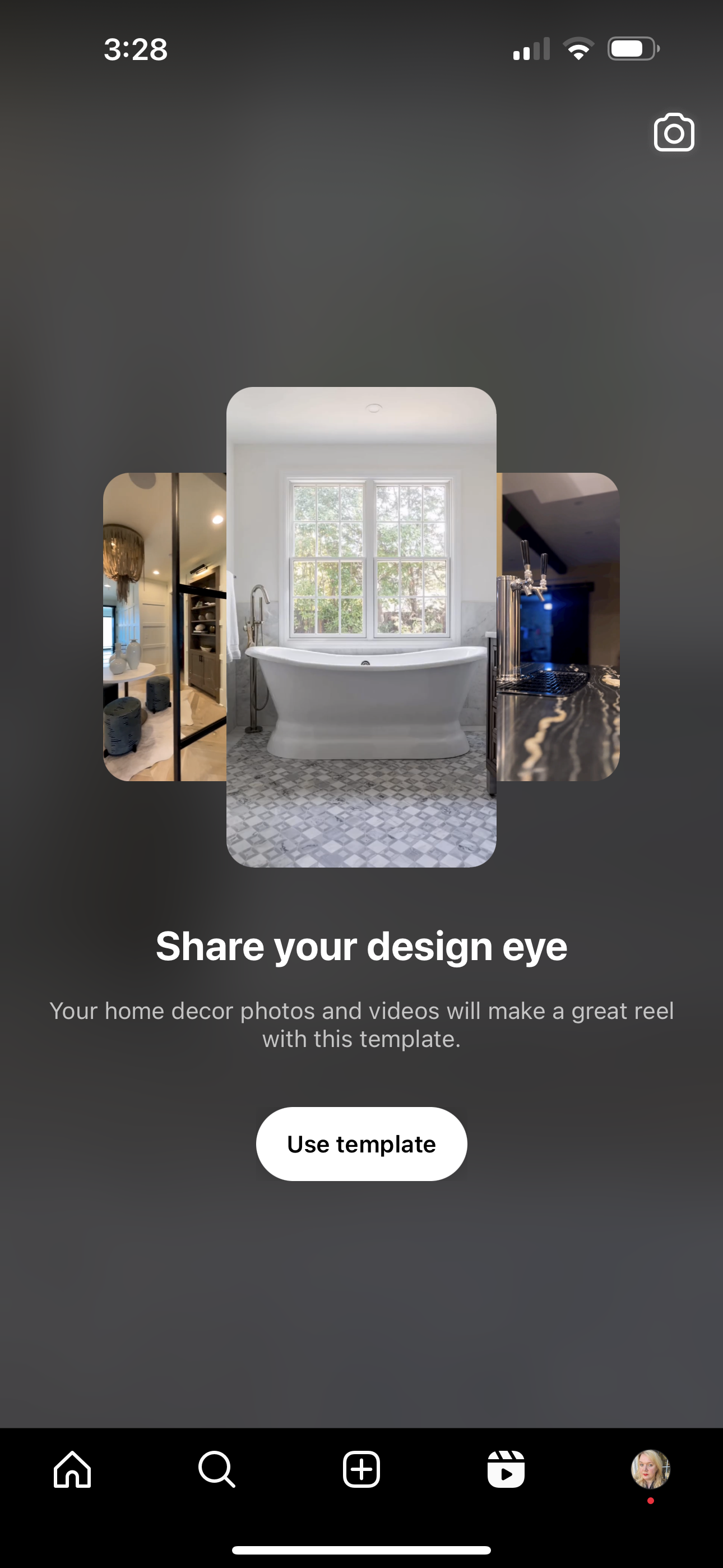
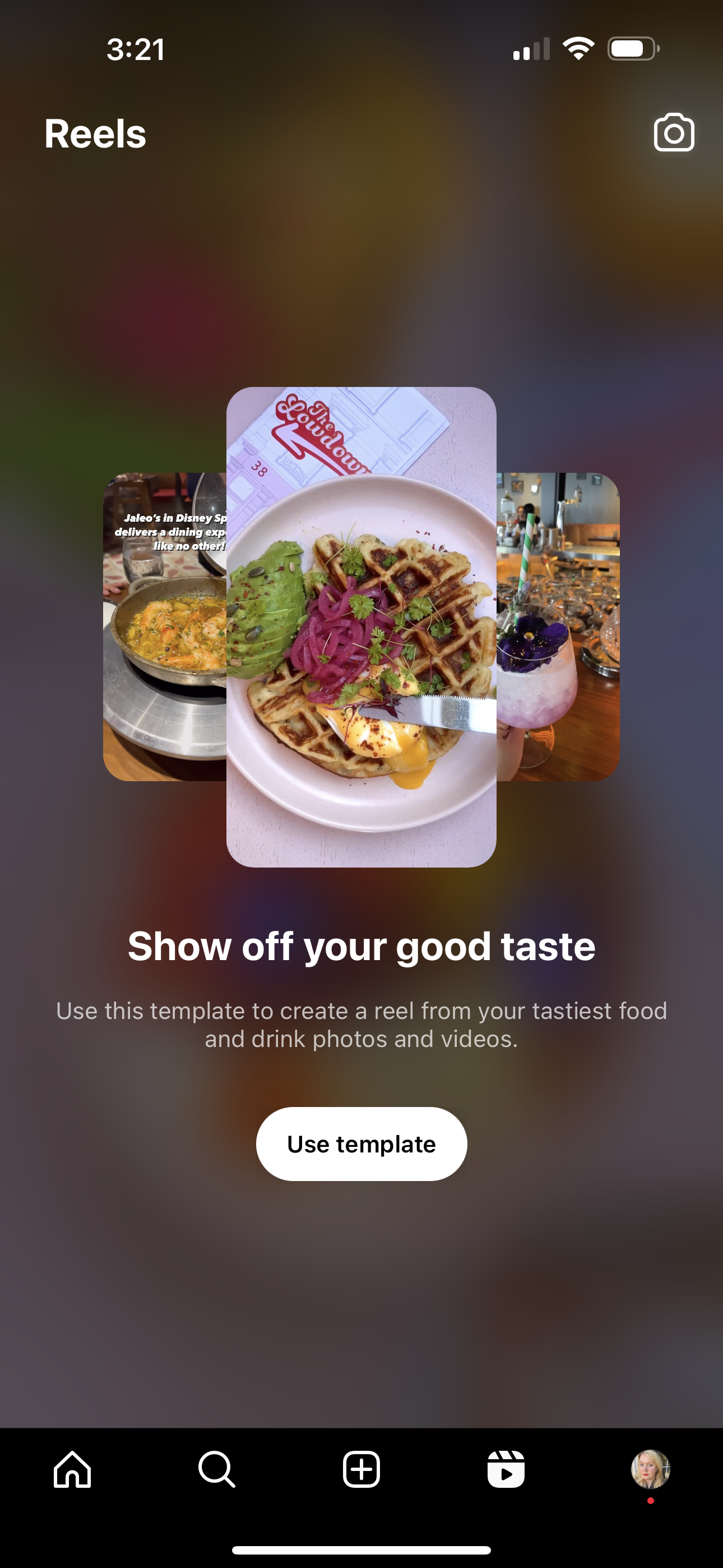
The data highlighted categories including food, pets, music, and home décor. I used those findings to develop a scalable system of category-based mid-cards, with each message connecting the same product pattern to a different user interest.
Food
Show off your good taste
Use this template to create a reel from your tastiest food and drink photos and videos.
Home décor
Share your design eye
Your home décor photos and videos will make a great reel with this template.
Pets
Celebrate a loyal friend
This template makes it easy to create a reel from photos and videos of your pet.
Content principle: Inspiration becomes more useful when users can immediately recognize their own interests or existing content within it.
2. Make social proof personal
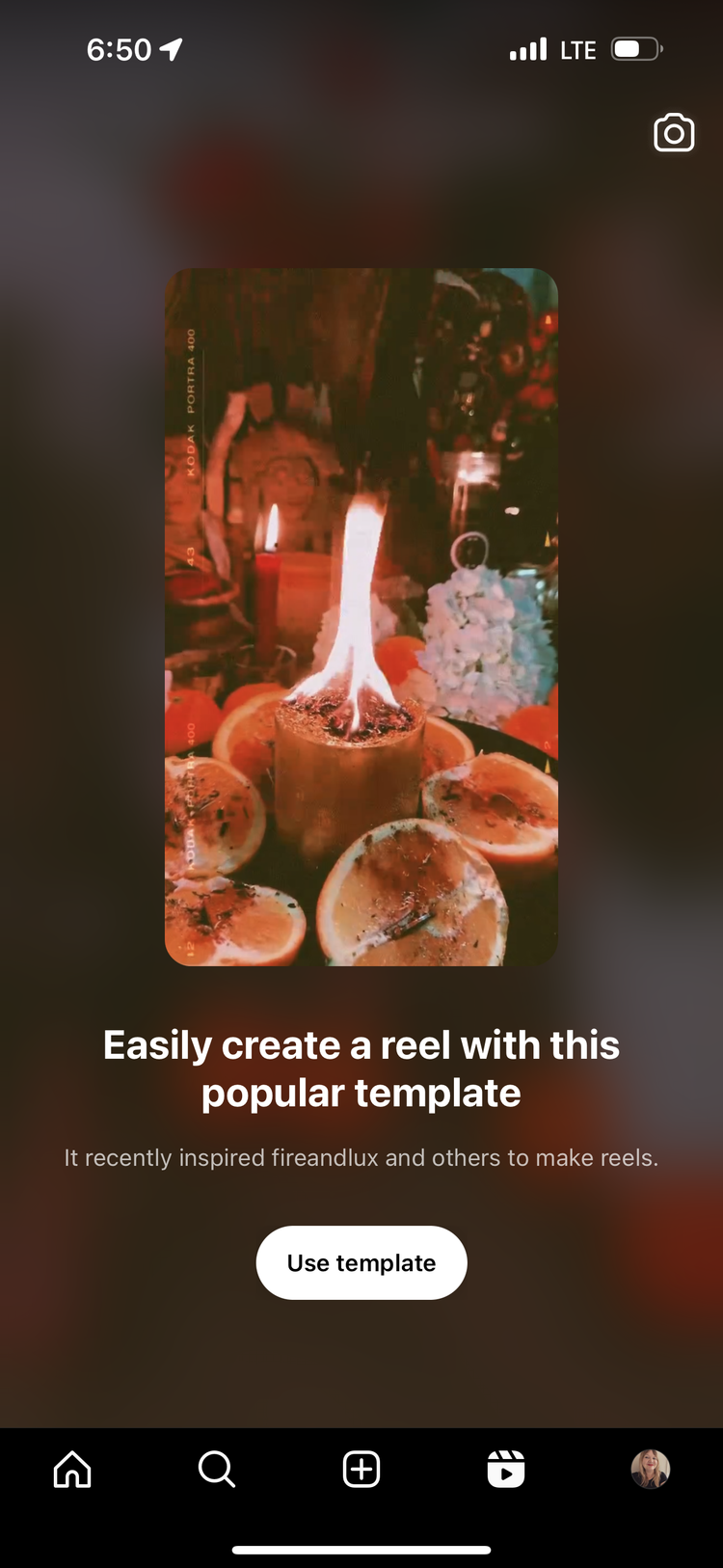
The team considered showing either an aggregated number of followed accounts that had used a template or the name of one recognizable account the user followed.
I recommended the named-followee approach because it made the behavior tangible and personally relevant:
Easily create a reel with this popular template
It recently inspired [Followee name] and others to make reels.
The message connected the template to someone within the user’s own network rather than relying on an abstract popularity claim.
The team considered showing either an aggregated number of followed accounts that had used a template or the name of one recognizable account the user followed.
I recommended the named-followee approach because it made the behavior tangible and personally relevant:
Easily create a reel with this popular template
It recently inspired [Followee name] and others to make reels.
The message connected the template to someone within the user’s own network rather than relying on an abstract popularity claim.
3. Make creation feel guided, not technical
Results
Content and customer impact
The work created a more connected path from inspiration to production.
Category-based messages helped users recognize specific content they could turn into Reels. Social proof made recommendations feel personally relevant. Template and auto-created Reels flows then provided a manageable way to act on that inspiration.
Together, the content addressed both sides of the creation problem:
Help users decide what to make, then make it clear how to begin.
Product impact
The category-based template experience:
Increased U.S. producer daily active users by 0.415%
Delivered more than three times its projected impact
Contributed more than 24% of the team’s creator-growth goal
What began as a template-promotion placement became a scalable system for connecting audience interests with relevant creation opportunities.
What I learned
The strongest content-design opportunities often begin before anyone asks for copy.
The category-based system became successful because I looked beyond the immediate placement and asked a broader question:
What kinds of inspiration are most likely to make someone want to create?
Partnering with Data Science turned a generic promotion into a more relevant creative system. The project also reinforced that reducing creation friction requires more than shorter instructions. People need both:
Inspiration: A reason to see their own lives and interests as worth sharing.
Confidence: A clear, achievable path for turning what they already have into something new.